Asphalt Resurfacing or Replacement in Central Arkansas
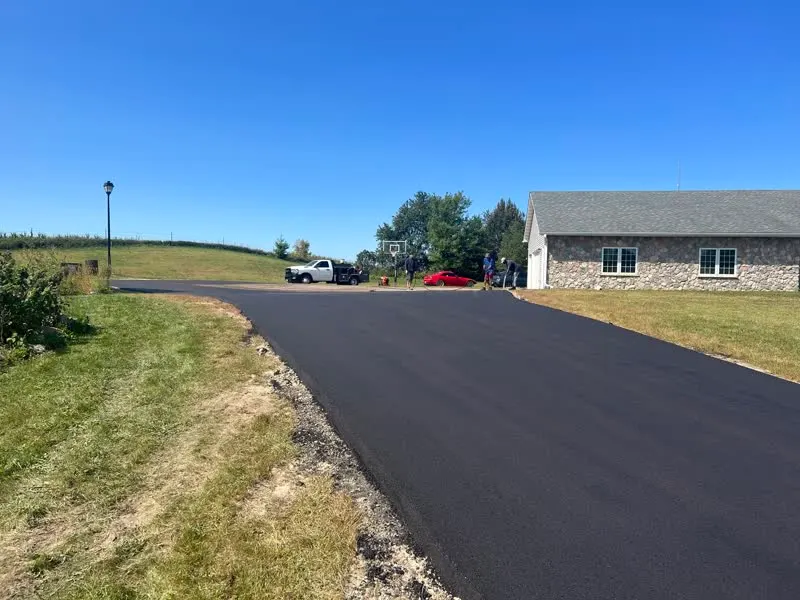
Resurface your asphalt when the surface is worn but the pavement underneath is still solid. Replace it when the base, the compacted stone layer that carries the load, has failed. For property owners around North Little Rock and the rest of Central Arkansas, the decision depends partly on what is happening below the top layer, not just how bad the surface looks.
What asphalt resurfacing changes
Asphalt resurfacing, also called an overlay, puts a new layer of asphalt over the existing pavement. It can improve a tired surface with fading, light raveling (loose stone at the top), shallow cracks and rough texture. The old pavement becomes the foundation for the new layer, so it has to be able to do that job.
An overlay is a poor fit when the pavement underneath is moving. New asphalt laid over a soft or shifting spot will usually copy the problem. The cracks and dips tend to show up again in the new surface, sometimes despite the new layer.
What the contractor does before the overlay goes down can also matter. Ask what repairs are included. Typical prep includes cleaning the surface, filling or routing out cracks, patching damaged spots and sometimes milling (grinding off) high edges so the new layer meets curbs, garage doors and gutters cleanly.
Signs replacement may be needed
Replacement means removing the old asphalt, fixing the base and paving new. It often costs more and takes longer than an overlay, so you want clear signs before choosing it. These are signs that may warrant further assessment:
- Potholes that come back after patching, which usually points to a weak base or water getting underneath.
- Cracking across broad areas in a connected pattern, often called alligator cracking because it looks like reptile skin.
- Places that sink, rut or shift when you drive over them.
- Edges that crumble away, especially on a drive with no support at the sides.
- Standing water that does not drain, which may allow water to reach the base.
The base is the key piece. If the base is soft, wet or thin, surface work may leave underlying trouble unresolved. A full asphalt paving job may include base repair, and a new asphalt driveway installation may also require base preparation.
Judge the whole drive, not the worst spot
One ugly patch can fool you in either direction. A single failed corner on an otherwise sound drive can often be cut out and repaired, then overlaid with the rest. On the other hand, a drive that looks fine at the street can be failing near the garage where water collects. Walk the entire surface and compare the condition from end to end.
Resurfacing and replacement side by side
| What you see | Usually points to |
|---|---|
| Faded, rough surface with a few thin cracks | Resurfacing, after crack repair |
| Light raveling, no movement underfoot | Resurfacing |
| Connected cracking across large areas | Replacement, or deep repair first |
| Sunken or shifting sections | May warrant replacement or further assessment |
| Potholes that return after patching | Base repair, then new paving |
| Water pooling and soaking in | Fix drainage first, then decide |
Treat this as a starting point. Pavement often shows a mix of these signs, and a mixed result can mean replacing part of the drive and overlaying the rest.
How Arkansas weather affects the decision
Arkansas winters can bring freeze-thaw cycles. Water gets into cracks, freezes, expands and pushes the pavement apart, then thaws and leaves a bigger gap. That is why open cracks on a drive you plan to keep deserve attention before winter, whether you resurface or not.
Timing also comes into play. October and November can bring cooler weather and rain, and asphalt needs the right conditions to be laid and compacted well. If you are thinking about paving in the fall, talk with the contractor about site conditions and the schedule, and be open to a different date if the forecast is poor.
Weather alone does not decide between resurfacing and replacement. A wet spring or a cold snap does not make a sound drive need replacing. What matters is the current condition of the pavement and the base under it.
If your lot has clay soil, or your drive sits low where runoff gathers, drainage deserves extra attention. Water that sits against the pavement edge is a common reason a base weakens, and an overlay will not fix that.
What to check before choosing
A good on-site assessment looks at more than the surface. Ask the contractor to go over these with you:
- The cracking: how wide, how widespread and whether it is connected.
- The drainage: where water goes when it rains and where it sits.
- The base: whether any area feels soft, sinks or has failed.
- The edges: whether they are holding or breaking away.
Then ask for the proposed scope in plain terms. You should know what repairs come before the new layer, what gets removed and what stays. With that in hand you can compare a resurfacing quote and a replacement quote on equal footing instead of guessing.
We serve North Little Rock, Alexander and Austin, and the same questions apply to a home drive or a small business lot.
Next step
If you are not sure which way your pavement leans, ask us for a Free Estimate. Ask whether the estimate includes walking the surface, checking the cracking, drainage and base, and assessing whether an overlay or a full replacement makes sense.
Common questions
Can you resurface cracked asphalt?
Yes, if the cracks are limited and the base underneath is sound. The cracks should be cleaned and filled first, or they tend to reflect through the new layer. Widespread, connected cracking usually means the base needs work.
When should you resurface an asphalt driveway?
When the surface is faded, rough or lightly raveled but the drive is still firm and drains well. Doing it before cracks open up and let water in may keep the repair simpler.
When does an asphalt driveway need replacement?
Usually when potholes keep returning, large areas crack in a connected pattern, or sections sink and shift. Those signs may point to a failed base, which a new top layer alone would not repair.
Areas we serve
Our services
Have a question about your project? Call (870) 413-3224